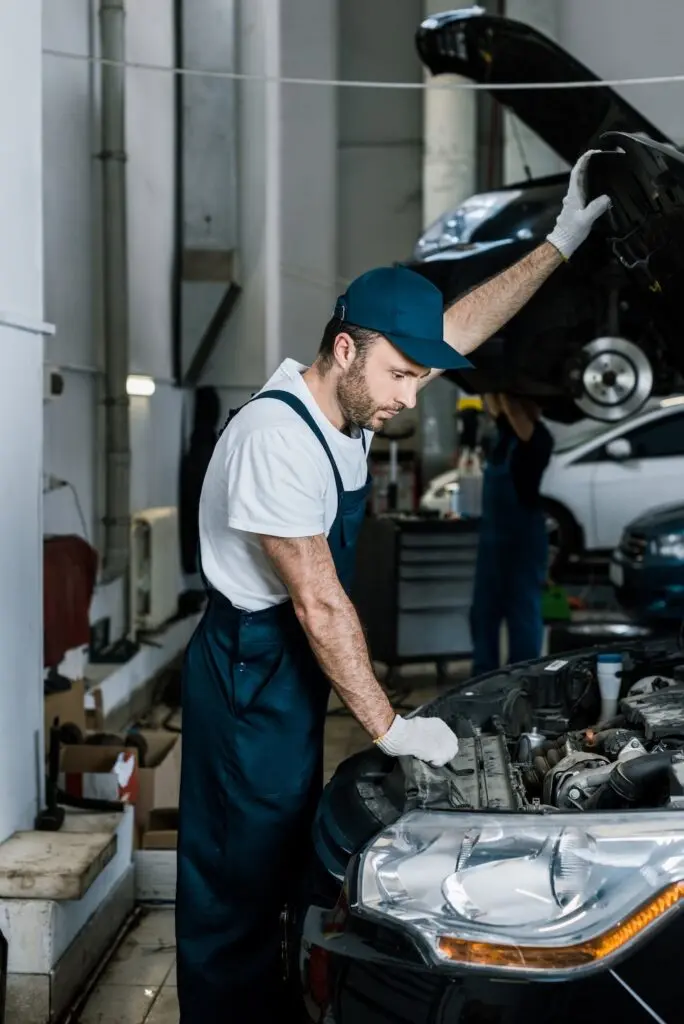
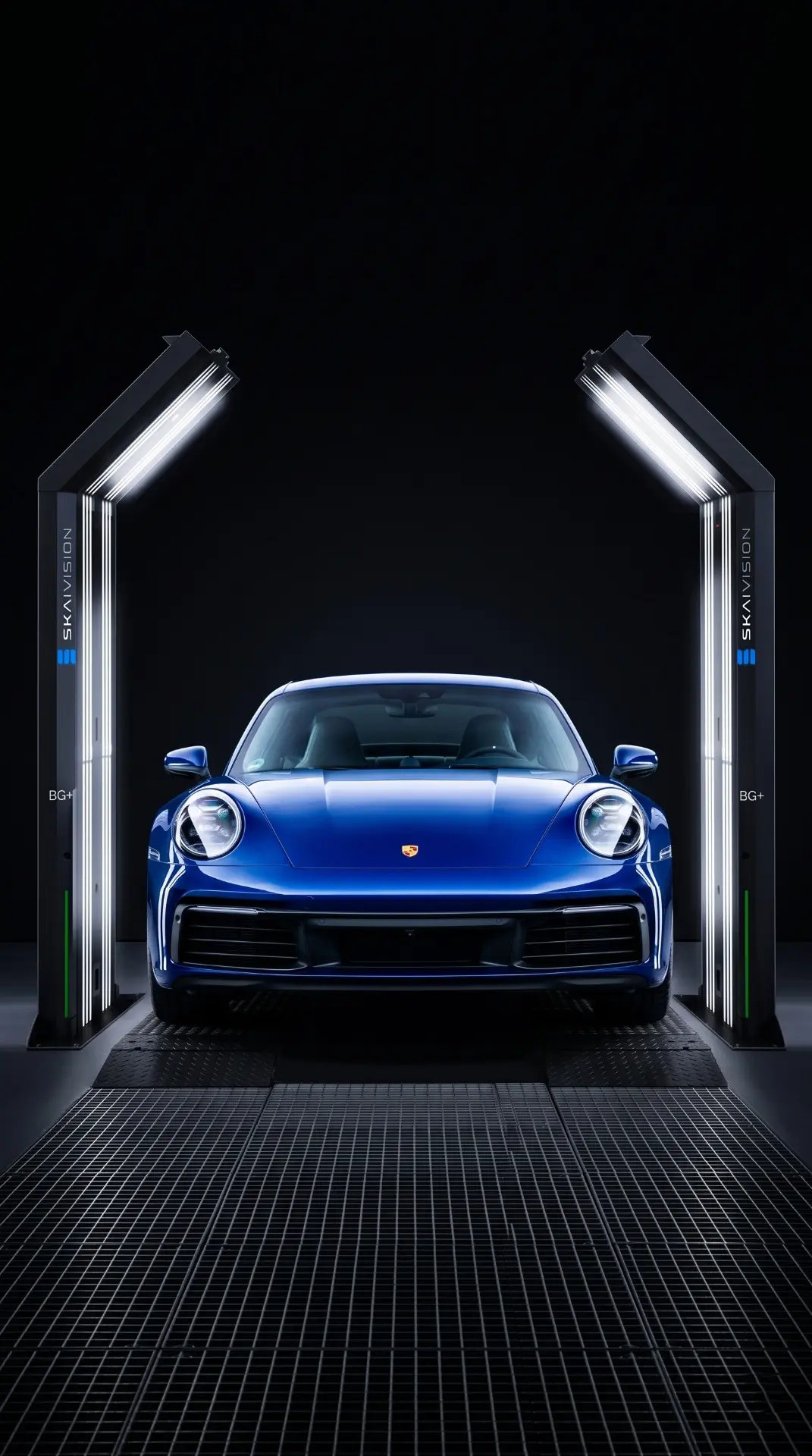
What Is Computer Vision AI for Dealerships?
Most dealerships already have cameras throughout the store. They monitor service entrances, customer lanes, parking lots, express bays, and delivery areas.
But for most stores, those cameras are still mostly passive. They record what happened. They may help with security. They may help a manager review an incident after the fact. They usually do not help the dealership understand what is happening operationally in real time.
That is where computer vision AI changes the conversation.
Computer vision AI helps a dealership interpret physical activity captured by cameras, such as vehicle arrivals, movement, dwell time, service-lane congestion, handoffs, and potential acquisition opportunities.
In plain language, it helps the dealership see what is happening and act while there is still time to make a difference.
Why Dealership Cameras Are Underused
Dealerships invest heavily in camera infrastructure, but most of that value is never used operationally.
A camera may show:
- A vehicle entering the service lane
- A customer waiting to be greeted
- A vehicle sitting too long in staging
- Congestion building near the entrance
- Express stalls sitting empty
- Vehicles delayed before delivery
The problem is not that the activity is invisible. The problem is that managers cannot watch every camera feed all day.
Computer vision AI helps surface the moments that matter.
From Video Footage to Operational Intelligence
Traditional video footage answers, “What happened?”
Computer vision AI helps answer:
- What is happening right now?
- Which vehicles are waiting?
- Where is the process slowing down?
- Which customers may need attention?
- Which vehicles may represent acquisition opportunities?
- Which stores or teams are executing consistently?
That shift matters because dealership operations move quickly. If a manager only learns about a bottleneck after the day is over, the opportunity to fix it has already passed.
Practical Dealership Use Cases
Service-lane acquisition
When a vehicle arrives for service, the dealership may have an opportunity to acquire that vehicle. Computer vision can help identify vehicles entering the lane and support acquisition workflows while the customer is still engaged at the store.
Express service visibility
Express service depends on speed, consistency, and clean handoffs. Computer vision can help measure dwell time, identify delays, and show where vehicles are sitting too long between steps.
Managerial awareness
A busy service drive can change by the minute. Computer vision gives managers a better way to understand activity across the lane without relying only on manual observation or after-the-fact reports.
Dealer group reporting
For dealer groups, computer vision can help compare process execution across rooftops. Leaders can identify which stores are performing well, where process gaps exist, and where best practices can be scaled.
The Bottom Line
Computer vision AI helps dealerships turn existing camera activity into useful operational intelligence.
Instead of using cameras only to look backward, dealerships can use them to improve what is happening right now.