See the Service-Drive Moments Managers Usually Miss
Busy service drives create blind spots. SKAIVISION uses existing dealership cameras to surface missed greets, delayed handoffs, and idle vehicles so managers catch exceptions before they affect CSI.
Managers Cannot Fix What They Cannot See
In a busy service lane, process breakdowns are easy to miss. A customer may stand too long before being greeted. A vehicle may sit without movement. A handoff may stall between advisor, technician, or delivery. These moments affect cycle time, CSI, staff productivity, and customer trust.
SKAIVISION helps managers see the physical activity already happening in the lane and identify exceptions before they become end-of-day surprises.
Six Service-Lane Alerts Managers Should Not Have to Catch Manually
SKAIVISION helps surface the moments that often get missed in a busy lane. These alert examples show the types of service-drive exceptions managers can review and act on.
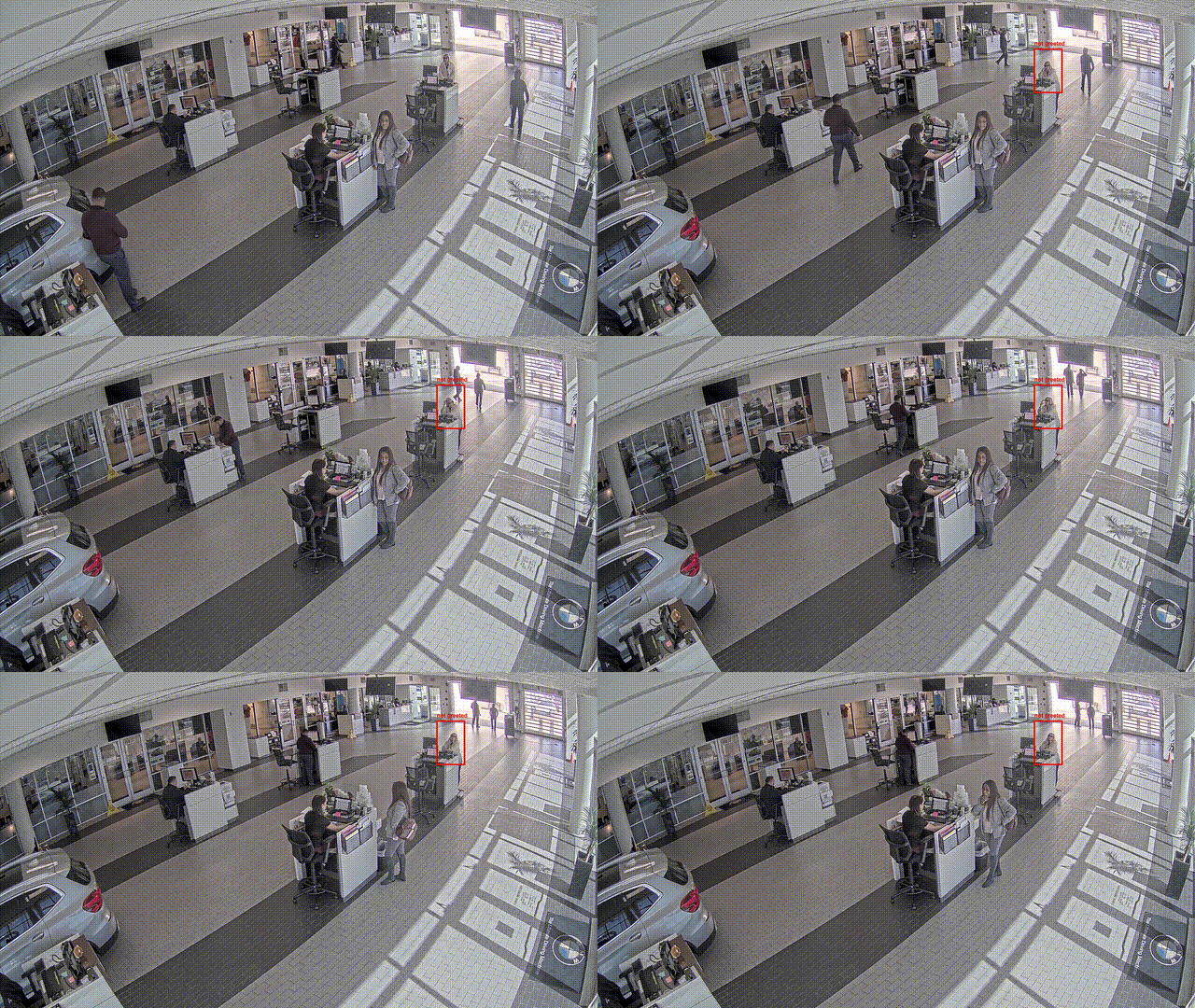
Missed Greet
A customer or vehicle arrives, but the expected greeting window is missed.
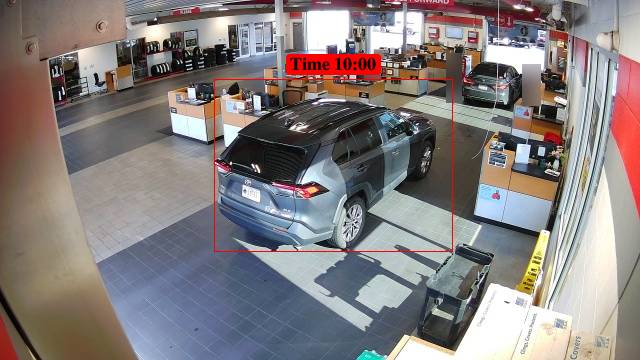
Vehicle Delay
A vehicle or customer waits too long between advisor, technician, staging, or delivery steps.
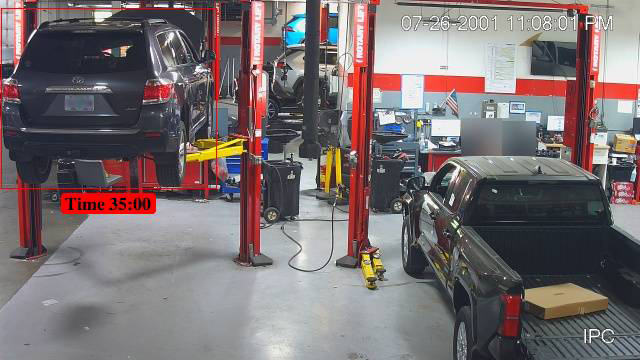
Rack Delay
A vehicle remains in a monitored zone longer than the store's configured expectation.
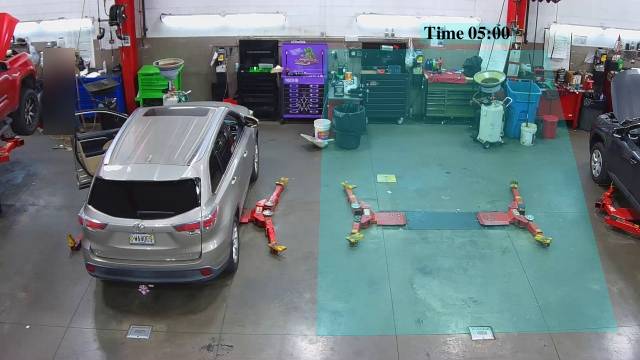
Rack Empty
Available service capacity appears unused while vehicles are waiting elsewhere in the process.
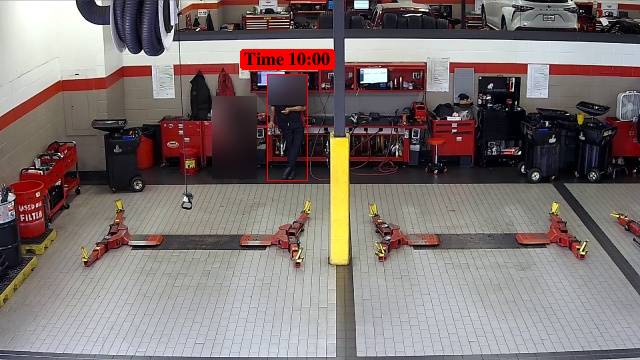
Technician Idle
Service bay capacity is available but no active work is in progress, indicating a momentary pause in workflow.
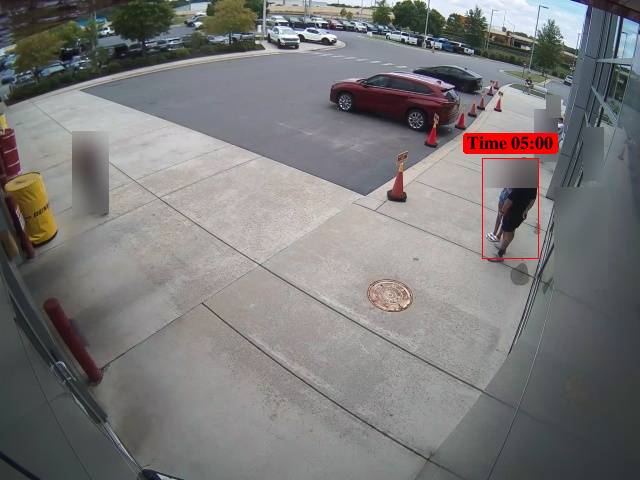
Delivery Delay
A completed or ready vehicle waits too long before customer delivery or final handoff.
How SKAIVISION Surfaces Execution Gaps
The workflow starts with physical service-drive activity. SKAIVISION uses existing camera coverage to monitor movement, timing, dwell, and service-lane events so managers can see where the process is breaking down.
Activity Is Detected
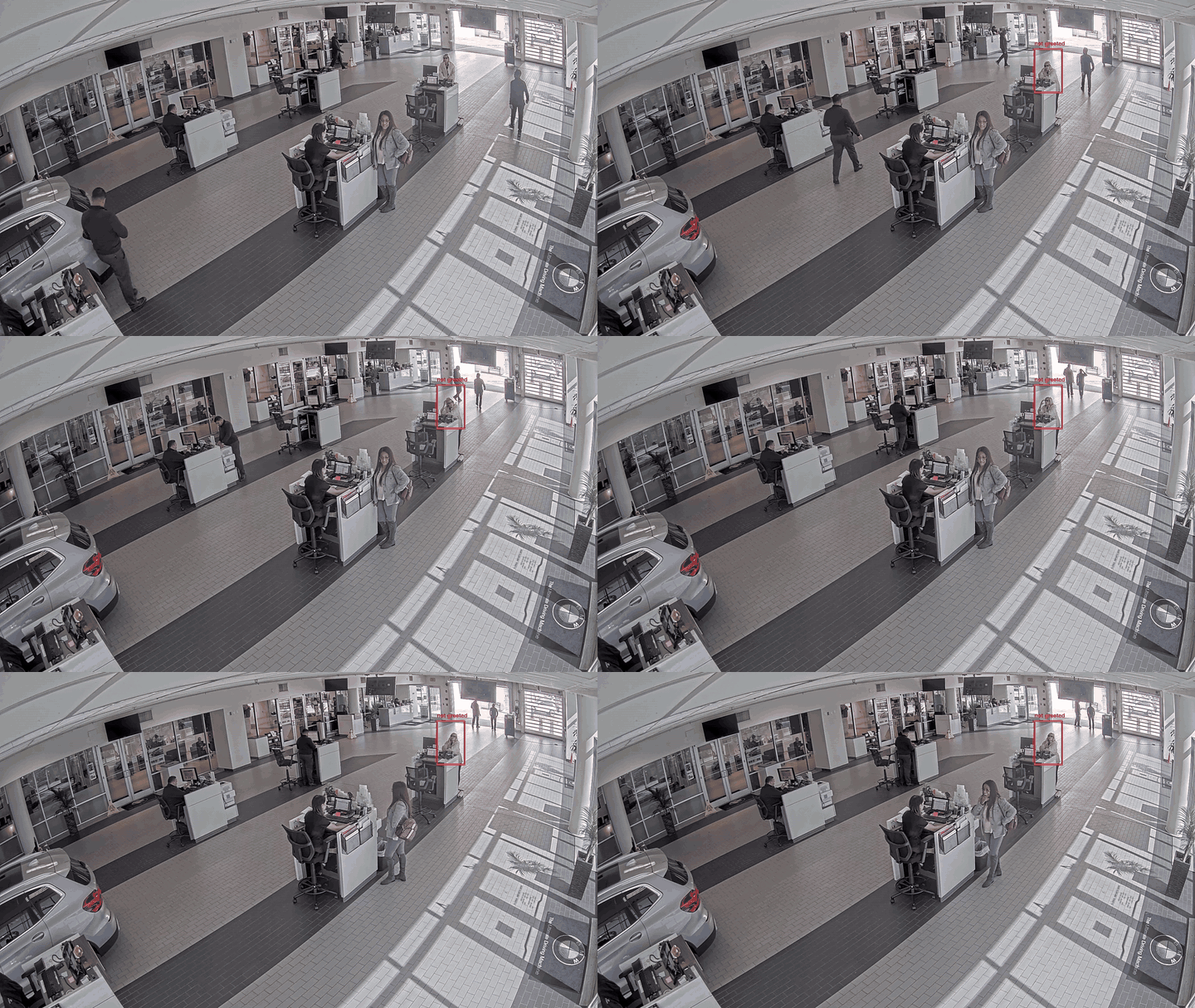
SKAIVISION detects physical activity in monitored service-drive zones, such as vehicle arrivals, movement, waiting areas, staging, and service-lane interactions.
Timing Is Measured
The platform tracks dwell time, movement between areas, and whether key process moments are happening within expected timing.
Exceptions Surface
When activity falls outside configured expectations, SKAIVISION surfaces the exception so managers can see where attention is needed.
Managers Review Execution
Managers gain visibility into missed greets, delayed handoffs, staging delays, bottlenecks, and other process gaps that are difficult to catch manually.
A Clearer View of Lane Execution
SKAIVISION helps managers review where process expectations were met, where exceptions occurred, and where follow-up is needed. The value is not just seeing video. The value is turning physical service-drive activity into a clearer view of execution.
Customer Wait Events
See when customers or vehicles appear to wait outside expected timing.
Movement and Dwell
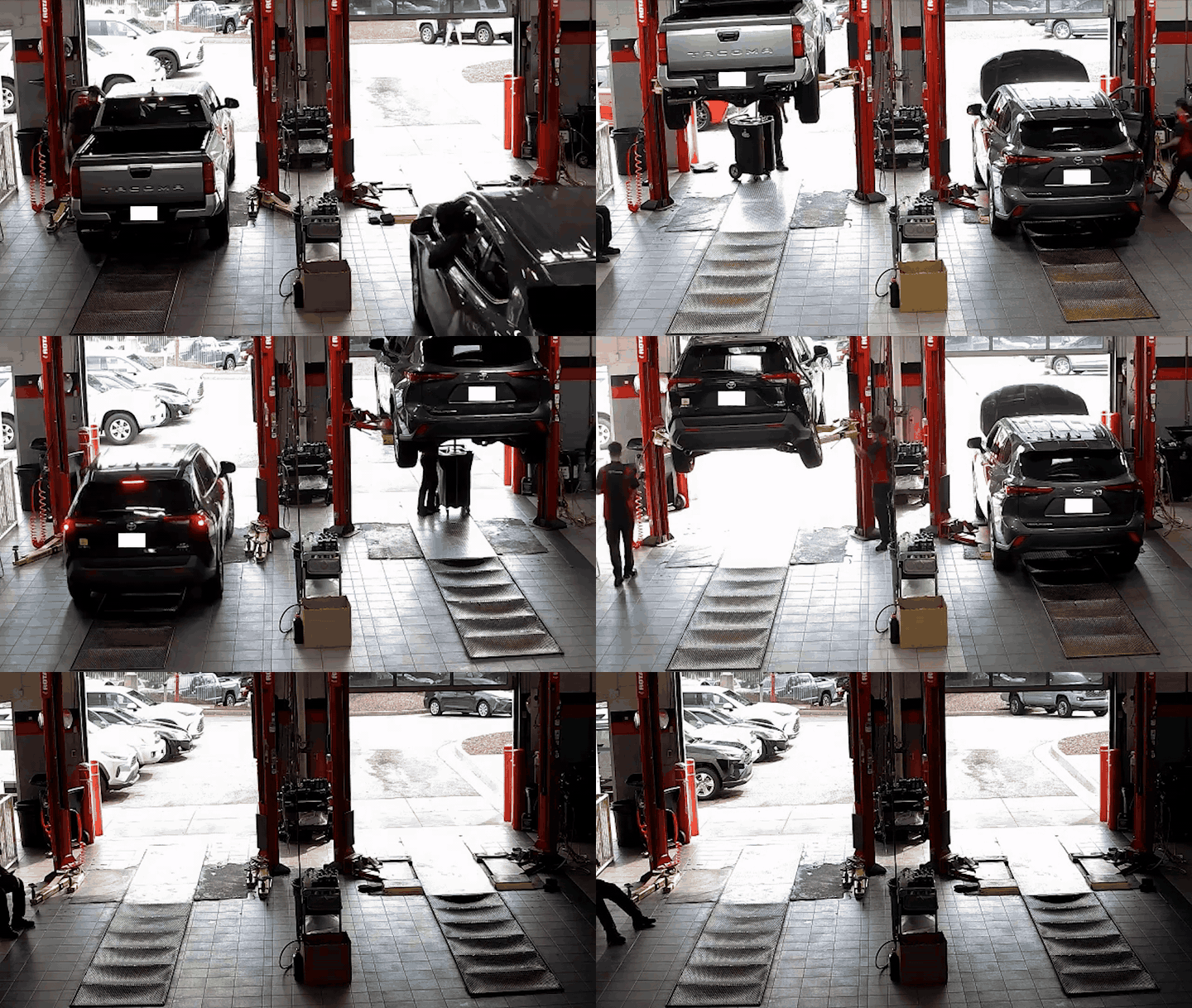
Review how long vehicles sit in key service-drive areas before the next step happens.
Handoff Gaps
Surface moments where the process slows between advisor, technician, staging, or delivery.
Exception Review
Give managers a structured way to review service-lane exceptions instead of relying on memory or manual observation.
Better Visibility Protects Capacity, CSI, and Team Productivity
Service-drive visibility is not just operational. Missed greets, handoff delays, idle time, and unmanaged dwell time affect customer experience, cycle time, staff productivity, and service capacity.
Protect Customer Experience
Help managers identify wait-time and handoff issues before they turn into avoidable customer frustration.
Improve Team Productivity
Reduce wasted staff time by giving managers clearer visibility into where the process is slowing down.
Strengthen Process Accountability
Create a clearer record of what happened in the lane, where exceptions occurred, and where teams need to improve.
Turn Service-Drive Exceptions Into Coaching and Process Improvement
SKAIVISION helps leaders review recurring service-lane issues, compare execution patterns, and identify where process changes are improving performance. Managers get a clearer view of what happened, where expectations were missed, and which areas need attention.
Exception Trends
Review recurring missed greets, dwell-time issues, handoff delays, and staging bottlenecks.
Manager Review
Give managers a more consistent way to review service-lane execution and coach teams.
Rooftop Consistency
Help dealer groups compare visibility, process discipline, and service-drive execution across stores.
Questions Service Leaders Ask
Does SKAIVISION replace managers watching the lane?+
No. SKAIVISION helps managers see service-drive exceptions that are easy to miss manually. Managers still control staffing, process decisions, customer handling, and coaching.
Does this require new cameras?+
In many cases, SKAIVISION is designed to work with existing dealership camera infrastructure when placement, coverage, video quality, and network access meet deployment requirements. A site review determines whether the current camera setup is ready.
What types of alerts can be configured?+
Alert configuration depends on camera coverage, workflow goals, and dealership setup. Common alert types may include missed greets, dwell-time exceptions, staging delays, handoff delays, idle areas, delivery delays, and service-drive bottlenecks.
Is this just video review?+
No. Traditional camera systems help teams review footage after the fact. SKAIVISION helps surface service-lane exceptions and reporting patterns so managers know where process execution needs attention.
How should a dealership measure success?+
Key measures include greet timing, dwell-time exceptions, staging delays, handoff delays, bottleneck frequency, coaching opportunities, customer wait-time trends, and improvement in service-lane consistency over time.
Give Managers Visibility Into the Moments That Break the Process
A SKAIVISION walkthrough can show how existing camera activity becomes service-drive alert visibility, exception reporting, and better manager accountability.